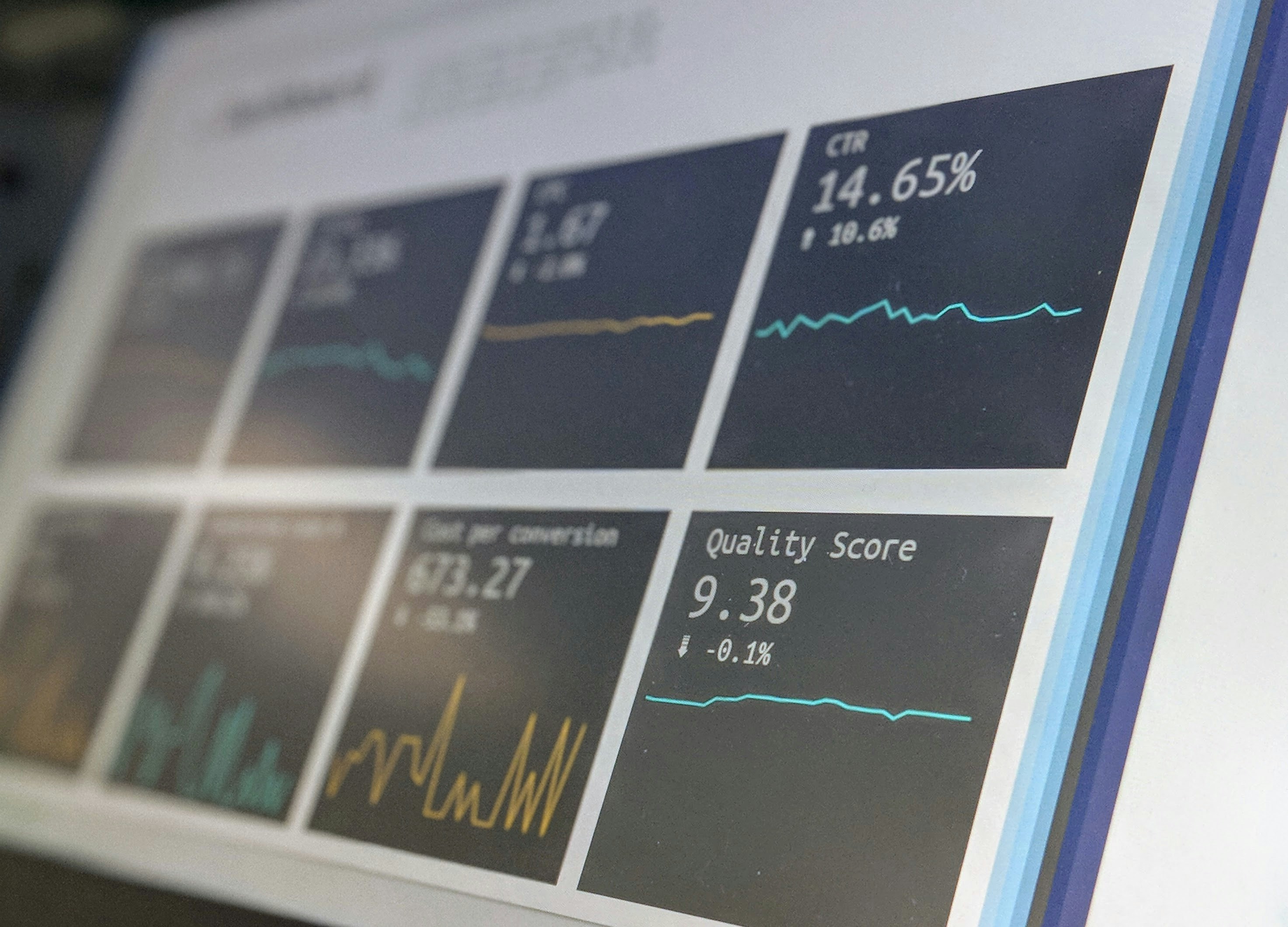
An unexpected hospital bill, job loss or urgent repair can disrupt your finances, especially when your income barely covers your monthly expenses.
An emergency fund is money you set aside specifically for unexpected, necessary expenses. It helps you handle financial setbacks without immediately borrowing money or selling your belongings.
But how much should you save, and where should you keep it?
How much should your emergency fund be in Nigeria?
A common recommendation is to save enough to cover **three to six months of essential living expenses**. However, you don't need to reach that amount immediately.
Start by calculating what you spend monthly on necessities such as food, rent, transportation, electricity, medication and essential family support.
For example
| Monthly Essential Expenses | 3 Month Fund | 6 Month Fund |
|---|---|---|
| N50,000 | N150,000 | N300,000 |
| N100,000 | N300,000 | N600,000 |
| N150,000 | N450,000 | N900,000 |
These are illustrative targets, not fixed requirements. If your income is irregular or you support several dependants, you may need a larger financial cushion.
How to start an emergency fund with a small salary
You don't need to save hundreds of thousands of naira at once.
1. Start with a realistic amount.
If you can afford to save ₦5,000 or ₦10,000 monthly, begin there. The goal is to develop a consistent saving habit without neglecting essential expenses.
2. Set a small initial target.
Instead of worrying about six months of expenses, aim for your first ₦20,000, ₦50,000 or another amount appropriate to your circumstances.
Once you reach that milestone, work towards covering one month of essential expenses.
3. Keep the money separate.
Use a dedicated savings account or another suitable, accessible savings arrangement. This makes it easier to distinguish emergency money from everyday spending.
4. Save when money comes in.
Set aside your chosen amount when you receive your salary or business income, rather than waiting to see what remains at the end of the month.
5. Rebuild after using it.
If an emergency forces you to withdraw from the fund, gradually replenish it when your finances stabilize.
Where should you keep your emergency fund?
Your emergency fund should be safe and easy to access when you need it.
A separate savings account with a properly licensed bank is one option.
Some people also consider money market funds, but these are investment products, not bank deposits. Their withdrawal timelines, risks and protections can differ.
Avoid keeping your entire emergency fund in volatile investments or arrangements that lock your money away when you might urgently need it.
What counts as an emergency?
An emergency is generally an **unexpected, necessary expense** that cannot reasonably wait.
Examples include urgent medical treatment, sudden loss of income, essential home repairs or an unexpected family crisis.
A planned holiday, routine shopping or an annual rent payment you already know is coming should normally be covered by a separate savings plan.
Conclusion
Building an emergency fund isn't about how much you earn. It's about gradually creating financial protection with what you can afford.
Start small, save consistently and work towards three to six months of essential expenses over time.
Even a modest emergency fund can help you manage unexpected expenses without immediately turning to debt.
click here to read Savings vs investing