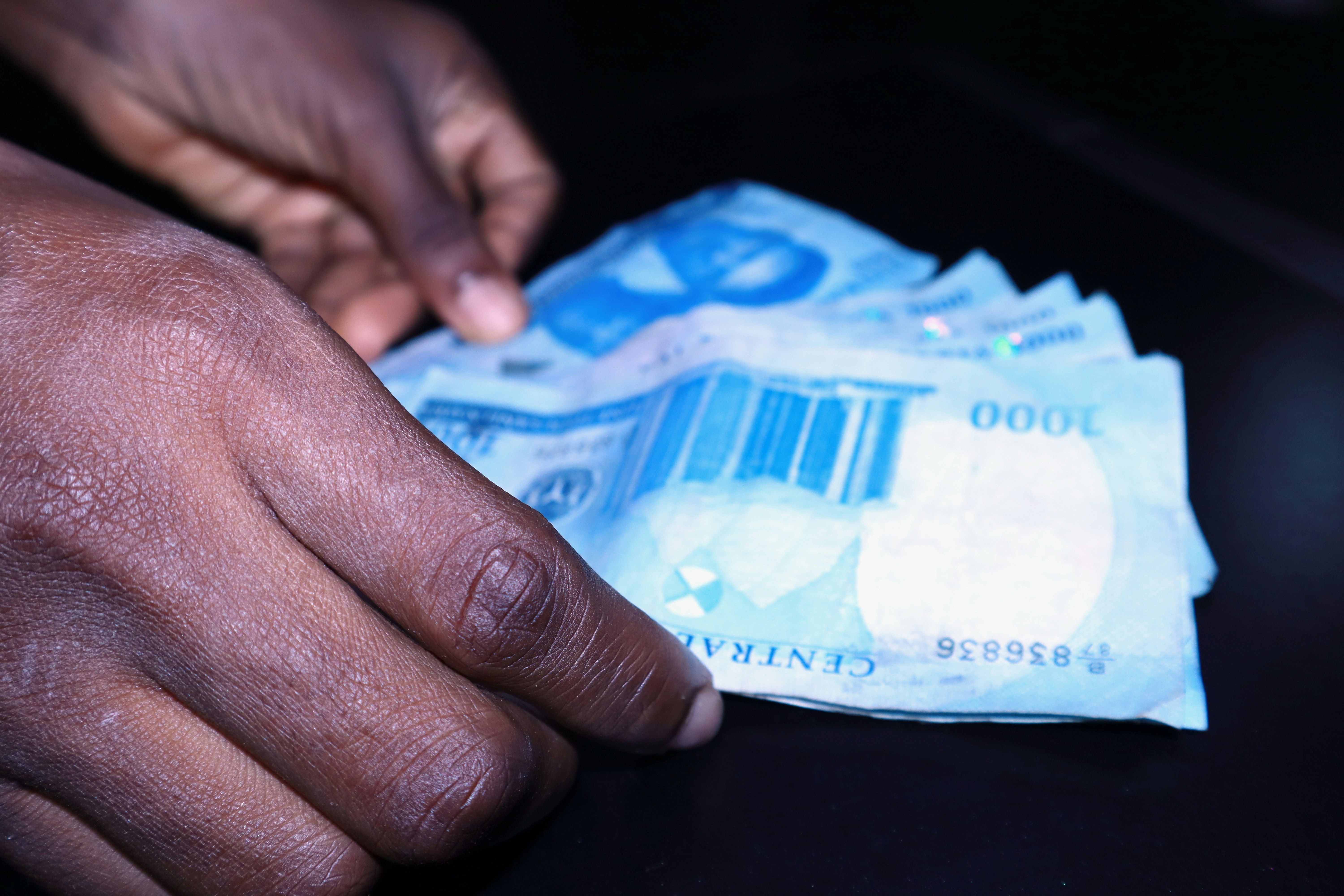
An emergency fund is money you reserve for unexpected but necessary expenses. It helps you cope with financial shocks without having to borrow right away or sell your possessions.
But how much should you save, and where should you keep it?
How much should your emergency fund be in Nigeria?
A widely used rule is to save enough to cover three to six months of essential living expenses. Still, you don’t have to get there all at once.
Begin by working out what you spend each month on essentials like food, rent, transport, electricity, medication, and basic support for family members.
For example:
| Monthly essential expenses | 3 month fund | 6 month fund |
|---|---|---|
| N50,000 | N150,000 | N300,000 |
| N100,000 | N300,000 | N600,000 |
| N150,000 | N450,000 | N900,000 |
These are only example targets, not strict rules.
If your income is uneven or you support multiple dependants, you may need a bigger safety net.
Here is how to start an emergency fund with a small salary
You don’t need to save hundreds of thousands of naira at once.
1. Start with an amount you can manage.
If you can save ₦5,000 or ₦10,000 a month, start there. The aim is to build a steady saving habit without compromising your essential expenses.
2. Set a small first goal.
Rather than focusing on six months of expenses, aim for your first ₦20,000, ₦50,000, or another amount that fits your situation.
After reaching that point, move on to saving one month’s essential expenses.
3. Keep the money separate.
Use a dedicated savings account or another safe, accessible savings option. This makes it easier to avoid mixing emergency money with day-to-day spending.
4. Save as soon as money enters.
Put aside your your salary or business income comes in, instead of waiting to see what is left at the end of the month.
5. Refill it after using it.
If have to dip into fund, rebuild it once your finances improve.
Where should you keep your emergency fund?
Your emergency fund should be secure and easy to access when you need it.
One option is separate savings account with a properly licensed bank.
Some people also use money market funds but these are investment products rather than bank deposits. Their withdrawal, risks, protections can be different.
Do not keep your full emergency fund in risky investments or in places where your money be locked up when you need it urgently.
What counts as an emergency?
An emergency is usually an, necessary expense that cannot reasonably be delayed.
Examples include urgent medical care, sudden loss of income, essential home repairs, or an unexpected family emergency.
A planned trip, routine shopping, or an annual rent payment you already expect should usually come from a separate savings plan.
The bottom line
Building an emergency fund is not about how much you earn. It is about slowly creating financial protection with what you can afford.
Start small, save regularly, and work toward three to six months of essential expenses over time.
Even a small emergency fund can help you manage surprise costs without immediately turning to.
Note: This article is for general financial education and does not constitute financial advice.